
Eel Power: Implant Batteries That Last
Imagine getting a heart pacemaker—relief that your heart’s got a backup—then realizing you’ll need surgery every 5-7 years to replace its dead battery. It’s not just painful; it’s risky, expensive, and a total disruption to life. For millions with implantable devices (pacemakers, nerve stimulators, insulin pumps), this is the annoying, scary fine print. But here’s the plot twist from the Amazon River: A creature that’s been powering itself for 200 million years is about to fix this. Enter the electric eel—nature’s low-key battery genius, and the reason future implants might never need a battery swap.
Let’s break down how the eel does its thing. It’s not just “shocking fish for fun”—it’s got a built-in power plant made of 6,000+ special cells called electrocytes. Think of each electrocyte as a tiny AA battery: alone, it only cranks out 0.15 volts (barely enough to light a LED). But stack 6,000 of them like a tower of batteries? Suddenly you’ve got 600 volts—enough to jolt a human, or stun a fish. The eel controls this with its brain: when it wants to shock, it sends a signal to the electrocytes, which open tiny ion channels (like flipping a switch) to let charged particles flow. It’s clean, efficient, and runs on glucose—the same sugar your body uses for energy. No chargers, no dead batteries, no surgery. “The eel didn’t invent a battery—it invented a power source that lives in harmony with biology,” says Dr. Maya Cruz, a bioengineer working on implant tech.
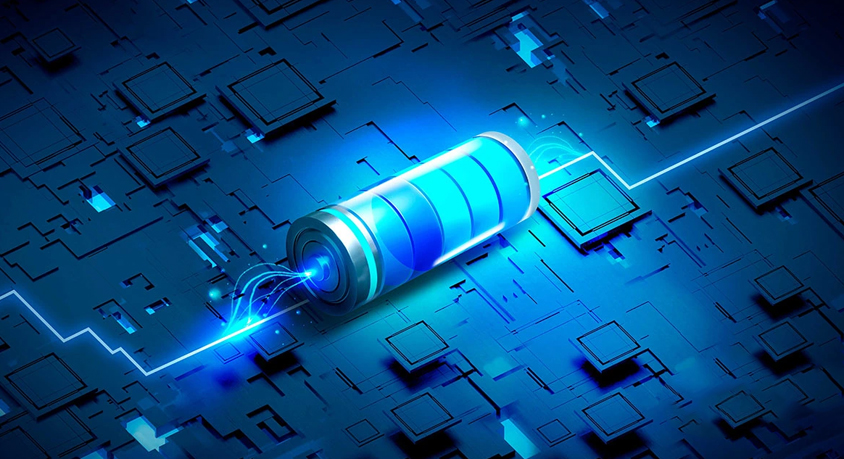
Now, scientists are copying this blueprint for medical devices. The goal? A tiny, bio-friendly power source that runs on the body’s own glucose—no external charging, no replacement. Here’s how it works: They build micro-sized “electrocyte mimics” using materials safe for the body (like gold and biopolymers). These mimics act just like the eel’s cells: they pull glucose from the blood, break it down (via a tiny chemical reaction), and release small bursts of electricity—just enough to power a pacemaker (which only needs 0.01-0.1 volts, way less than the eel’s 600). Early tests at the University of Michigan showed a prototype could power a mini nerve stimulator nonstop for a year—no battery changes, no glitches. “We’re not trying to make an ‘electric eel in your chest,’” Dr. Cruz laughs. “We’re stealing its trick of turning body fuel into electricity.”
The impact for patients? Game-changing. Take someone with a deep brain stimulator (used for Parkinson’s or epilepsy). Right now, they need surgery every 3-5 years to swap the battery—a procedure with 1-2% risk of infection or bleeding. A bio-powered version? No more surgeries. They’d get the implant once, and it would run on their body’s own sugar for a decade or more. For diabetics with insulin pumps? No more fumbling with external chargers or replacing dead batteries mid-day— the pump could power itself, keeping insulin flowing without a hitch.
This isn’t just sci-fi—2025 is seeing real progress. A startup called EelPower Bio just got FDA approval to test its glucose-powered sensor in humans (it monitors blood sugar and sends data to a phone, no battery). Early testers say it’s a lifesaver: “I used to forget to charge my old sensor and panic when it died,” says Maria Lopez, a Type 1 diabetic. “This one just… works. It’s like it’s part of my body.”
The best part? This tech scales. Future versions could power bigger devices, or even be used in wearable tech (no more dead smartwatches mid-workout). And since it runs on glucose, it’s 100% eco-friendly—no toxic battery waste, no charging cables cluttering landfills. The eel didn’t just evolve to survive; it evolved to thrive with a power source that’s sustainable, reliable, and invisible.
Next time you see a video of an electric eel shocking water, don’t just think “cool party trick.” Think “future medical hero.” That slimy, 8-foot fish is the reason someone might never have to fear battery-replacement surgery again. Nature’s weirdest creations? Always the ones that solve our biggest headaches.
MORE FROM WIRED

- SaaS Free Trial Trap: Fix Churn & Convert More—With Targeted Ads & Clear Paths

- Reallocate Your Advertising Budget Using Data-Driven Attribution Models
- Crows Teach AI to Use Tools
- Oct,13,2025
- Build a Marketing Flywheel: Boost Customer LTV
- Oct,06,2025

- 5 A/B Tests That Boost CRO
- Oct,02,2025
- UTM + GA4: Stop Wasting Ad Cash
- Sep,30,2025

- Meta Ad Fatigue: 5 Fixes to Refresh Ads
- Sep,29,2025