
From Alpacas to Brains: How a New Nanobody Could Transform Schizophrenia Treatment
For decades, treating schizophrenia has been a story of partial victories. Existing drugs can calm hallucinations and delusions, but they often fall short where patients need help most: the cognitive struggles—problems with memory, focus, and decision-making—that make daily life, from holding a job to having a conversation, so challenging. Now, researchers have turned to an unlikely source for a breakthrough: alpacas. An international team, including scientists from France’s National Center for Scientific Research, has designed a nanobody—a tiny antibody derived from alpaca immune systems—that targets the root of these cognitive issues, and early tests in animals show promise. It’s a reminder that sometimes, the most powerful medical tools come from the most unexpected places.
To understand why this matters, consider the brain’s communication system. Neurons talk to each other using chemicals called neurotransmitters, and one of the most critical is glutamate. It activates receptors on neurons, like keys turning locks, to regulate learning, memory, and focus. In schizophrenia, these glutamate receptors—specifically a type called NMDA—don’t work as they should, leading to the cognitive deficits that current drugs struggle to fix. Traditional drugs are like blunt tools: they affect multiple systems in the brain, which is why they often cause side effects like drowsiness or weight gain. The new nanobody, by contrast, is a precision tool. It’s small enough to slip into the brain and target only the NMDA receptors linked to cognitive function, activating them without disrupting other systems. Think of it as a key that fits only one lock, instead of a crowbar that jiggles every lock in the house.
The nanobody’s journey from alpaca to lab is as fascinating as its potential. Alpacas, along with camels and llamas, produce unique antibodies that are smaller and more stable than human antibodies—ideal for medical use. Researchers identified an alpaca antibody that binds to NMDA receptors, then engineered it to be even more precise, creating a nanobody that homes in on the receptors like a guided missile. When tested in mice with cognitive impairments similar to those in schizophrenia, the results were clear: after a single injection, the mice showed improved memory and focus, and the effects lasted more than a week. For context, many existing schizophrenia drugs need daily doses to maintain their effects, and they don’t address these cognitive issues at all.
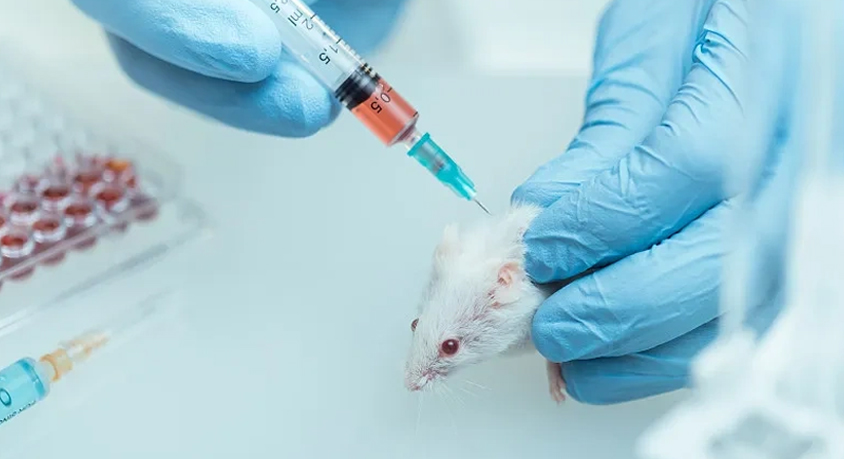
Another advantage is how the nanobody is delivered. Unlike some therapies that require direct injection into the brain (a risky and invasive procedure), this one works with a simple intravenous or intramuscular injection. Its small size lets it cross the blood-brain barrier—the protective layer that keeps harmful substances out—while its structure makes it biodegradable. That means it breaks down safely in the body, reducing the risk of long-term side effects. In animal tests, there were no signs of toxicity, a crucial step toward human trials.
Of course, there’s a long road ahead. The nanobody has worked in mice, but human brains are more complex, and what works in animals doesn’t always translate to people. Researchers plan to start clinical trials in the next few years, first testing safety, then effectiveness. If those trials succeed, the impact could be huge. Schizophrenia affects about 1% of the global population, and for many, cognitive symptoms are the biggest barrier to a full life. A treatment that targets those symptoms could let more people return to work, build relationships, and live more independently.
The nanobody also points to a broader trend: using nature’s designs to solve medical problems. Alpacas aren’t the only animals contributing to medicine. Venom from cone snails has led to painkillers, and spider silk is being tested for wound healing. These “biological inspirations” often outperform man-made drugs because they’ve been refined by evolution. The alpaca nanobody, for example, evolved to target specific molecules in the body—something researchers could spend years trying to replicate from scratch.
Celebrities who have spoken out about mental health could help bring attention to this research. Glenn Close, who founded a mental health advocacy group, has talked about how cognitive symptoms of mental illness can isolate people. “Treatments that address not just the obvious symptoms but the ones that make daily life hard—those are the game-changers,” she said in a recent interview. Her words highlight why the nanobody’s focus on cognitive function matters: it’s not just about reducing suffering, but about restoring quality of life.
Looking ahead, researchers see potential beyond schizophrenia. The same glutamate receptors play a role in other neurological conditions, like Alzheimer’s disease and depression. If the nanobody works for schizophrenia, similar therapies could one day target these disorders, too. It’s a reminder that medical breakthroughs often open multiple doors.
In the end, the story of this nanobody is about connection: between alpacas and humans, between basic science and real-world treatment, and between a single molecule and a person’s ability to thrive. It’s too early to call it a cure, but it’s a promising step—one that started with a simple question: What can we learn from an alpaca’s immune system? Sometimes, the answers to our biggest medical challenges are hiding in the most unexpected places.
MORE FROM WIRED

- SaaS Free Trial Trap: Fix Churn & Convert More—With Targeted Ads & Clear Paths

- Reallocate Your Advertising Budget Using Data-Driven Attribution Models

- Crows Teach AI to Use Tools
- Oct,13,2025

- Build a Marketing Flywheel: Boost Customer LTV
- Oct,06,2025

- 5 A/B Tests That Boost CRO
- Oct,02,2025

- UTM + GA4: Stop Wasting Ad Cash
- Sep,30,2025

- Meta Ad Fatigue: 5 Fixes to Refresh Ads
- Sep,29,2025